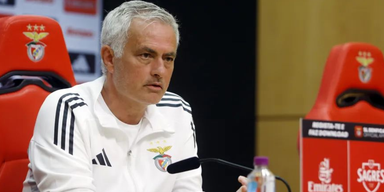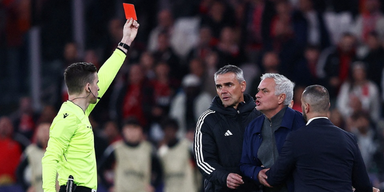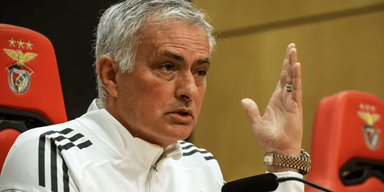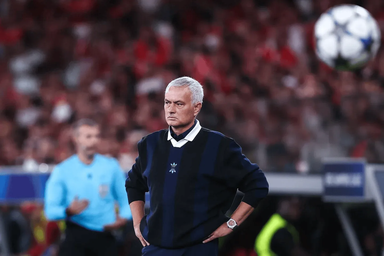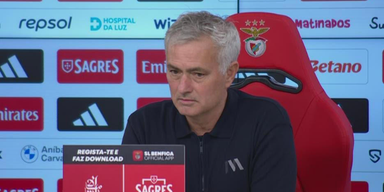


Now 51, Sérgio Nunes spent two seasons at Benfica, where he worked under three managers – Jupp Heynckes, José Mourinho and Tony – during a turbulent period for the club. Now working as a salesman for a real estate company, he recalled Mourinho’s early managerial days in an interview with Portuguese media.
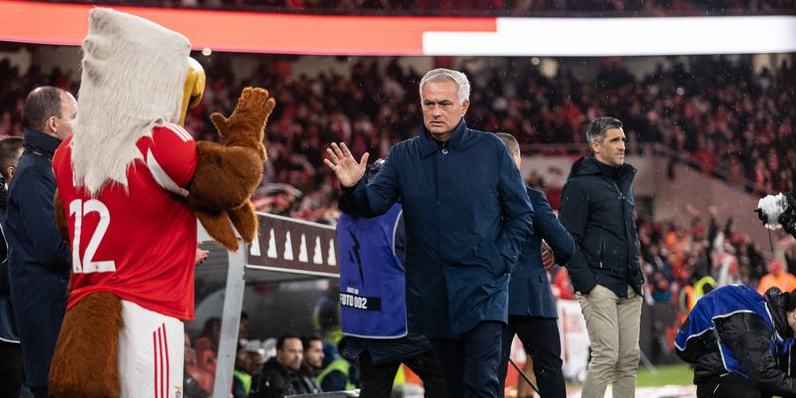
On Mourinho’s success
“Heynckes did not stay long into the 1999/2000 season, and then a phenomenon arrived at the Estádio da Luz – José Mourinho. It was his first job as a head coach. We all noticed him straight away and thought: ‘What’s going on here?’ From the very first training session, he established his principles immediately.”
“His methods were far more advanced than what we were used to: short, fast, high-intensity sessions, always finishing with shooting. The plan was laid out, we knew which vests to wear. We weren’t used to that young, dynamic mindset. It’s a shame Mourinho didn’t stay in the end, because everyone recognised his quality and knew he would be successful sooner or later.”
On how Mourinho awakened the club
“People maybe expected him to be more aggressive, but today’s Mourinho is more pragmatic, more experienced, and more measured. He’s still one of the best managers in the world – experienced, a strategist, who knows when and how to act. I still admire him, even though many say he’s not the Mourinho he once was.”
“It’s easy for managers to be criticised; everyone has an opinion. But in terms of impact, he’s Mourinho. That’s what Benfica needed. The club was a bit asleep, stuck in the same old ways. With him, there was energy and drive to move forward. He provided that, and like any manager, he’s hungry for success, even though it’s not easy.”
“Right now, beyond just winning, he’s building Benfica’s future. He wants big achievements this year: winning the league and qualifying for the Champions League – that’s crucial for him and the club. He’s already looking ahead, putting the pieces together, ready to make a huge impact.”
On the win over Real Madrid as the turning point
“To be honest, at first he focused more on defence, giving the team structure and belief, making them solid and hard to beat. The turning point came against Real Madrid, when he realised it was time to take the team to another level. The side started pressing high and maintaining high intensity. They created plenty of goalscoring chances – it didn’t always go smoothly, but that pattern was there in many games. With his experience, he’ll definitely tweak one or two positions. Benfica have fantastic players, a wonderful squad. Now it’s all about the details; it’s a long season, with international breaks too, it’s never easy.”